

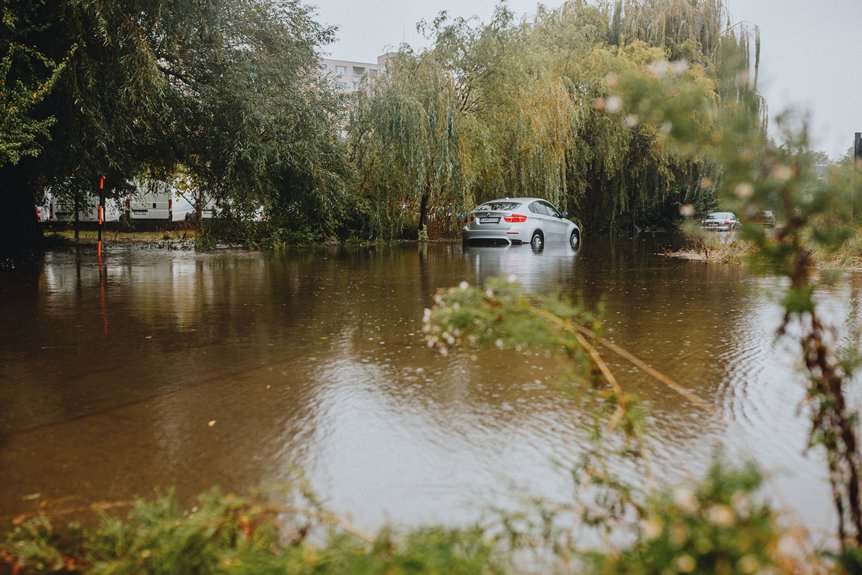

Brooklyn and Queens have been heavily affected by flash flooding due to relentless rainfall. Streets, particularly in areas like Coney Island and Sheepshead Bay, were inundated, making travel treacherous. The situation is compounded by widespread power outages across the city. As the National Weather Service issues warnings and local officials prepare to respond, the community faces challenges ahead. What steps are being taken to address this pressing crisis?
The Extent of Flash Flooding in Brooklyn and Queens
How severe was the flash flooding in Brooklyn and Queens? The flash flooding in Brooklyn was particularly devastating, with areas like Coney Island and Sheepshead Bay experiencing severe inundation. Neptune Avenue transformed into a river, and East 28th Street was greatly affected. While Queens faced less severe flooding, disruptions occurred due to downed trees and ongoing cleanup efforts. The intense heavy rain contributed to over 1,200 reported power outages throughout New York City, with tree damage impacting power lines in both boroughs. In response, the National Weather Service issued a Flash Flood Watch, noting that the flooding risk peaked between 4 and 10 a.m. Mayor Mamdani activated the city’s Flash Flood Emergency Plan to address these critical conditions. This event highlights the importance of urban planning and policy in mitigating flooding risks in densely populated cities.
Current Weather Conditions and Predictions for NYC
Meteorologist Mike Woods forecasts up to four inches of rain for New York City, continuing the area’s struggle with flooding. A Flash Flood Watch is in effect until Tuesday morning, emphasizing the risk for low-lying regions and the disruption to morning commutes. As the city grapples with heavy downpours, conditions are expected to change considerably as temperatures rise later in the week. This weather event underscores the importance of community safety, as resources are allocated to support local emergency services during such crises.
Rainfall Accumulation Forecast
As New York City faces the impact of a severe storm system, forecasts predict rainfall accumulation may reach up to four inches. Meteorologist Mike Woods indicates that the heavy rainfall, which began Sunday night, is having profound effects on the city, particularly in areas like Brooklyn and Queens. The National Weather Service has issued a Flash Flood Watch, which remains in effect until 6 a.m. Tuesday. The highest risk for flash flooding is expected between 4 and 10 a.m. Monday, with intermittent heavy downpours anticipated throughout the day. This severe weather is disrupting transit systems and considerably affecting commuting conditions, making rainfall accumulation a critical concern for residents and city officials alike.
Flash Flood Watch Details
With a Flash Flood Watch in effect until 6 a.m., New York City is bracing for additional heavy rain and potential flooding. The highest risk period is expected between 4 and 10 a.m. on Monday, with meteorologists predicting rainfall totals could reach up to four inches, particularly impacting neighborhoods in Brooklyn. Heavy rain has already led to significant flooding, especially on Neptune Avenue in Coney Island and East 28th Street in Sheepshead Bay. The National Weather Service has cautioned residents about hazardous travel conditions, especially during peak transit hours. In response, the city has activated its Flash Flood Emergency Plan and has undertaken efforts to clear catch basins in areas prone to flooding, aiming to minimize potential damage.
Impact on Commute Conditions
While heavy rainfall has already caused significant disruptions across New York City, the ongoing flash flooding continues to create perilous commuting conditions, particularly in Brooklyn and Queens. Severe flooding along Neptune Avenue in Coney Island and East 28th Street in Sheepshead Bay has rendered many roads hazardous. The National Weather Service issued a Flood Watch, emphasizing the heightened risk for flash flooding during the morning commute, which has led to substantial commuting difficulties. Drivers navigate treacherous conditions, with reports of downed trees contributing to road blockages. Additionally, substitute bus service has been implemented between Highbridge and Annandale, further affecting transit operations. Commuters are advised to avoid non-essential travel as conditions remain unpredictable and challenging.
Key Areas Affected by Flooding and Power Outages
Brooklyn experienced significant flooding, particularly on Neptune Avenue in Coney Island and East 28th Street in Sheepshead Bay, transforming streets into waterways. The storm also resulted in over 1,200 power outages across New York City, heavily impacting the Bronx where fallen trees disrupted service. Meanwhile, Queens faced downed trees while initiating recovery measures, as Con Edison urged residents to conserve energy amid the chaos. The flooding serves as a reminder of the city’s vulnerability to extreme weather events that can disrupt everyday life.
Coney Island Flooding Effects
Severe flooding markedly impacted Coney Island, particularly along Neptune Avenue, where water levels surged to resemble a flowing river. On Sunday night, the relentless rain led to significant inundation throughout the area, affecting East 28th Street in Sheepshead Bay as well. The flash flooding resulted in road closures, with portions of the Belt Parkway shut down due to standing water, complicating travel for residents in parts of Brooklyn. As crews mobilized to clear debris, the response was hindered by the widespread flooding. A Flash Flood Watch remains in effect, emphasizing ongoing safety concerns in Brooklyn. Recovery efforts continue amid the challenges posed by the high water levels, leaving many areas like Coney Island grappling with the aftermath of the storm.
Power Outages Across Boroughs
The storm’s impact extended beyond flooding in Coney Island, leading to widespread power outages across New York City. By Monday afternoon, over 1,200 customers were reported without power, with significant outages in the Bronx due to a fallen tree on Franklin Street, which affected a nearby building without causing injuries. In Queens, while downed trees were common, flooding was less severe than in Brooklyn. Con Edison implemented an 8% voltage reduction in southeastern Queens to assist in ongoing repairs and urged residents to conserve energy. Additionally, South Richmond Hill experienced significant structural damage from large downed trees, resulting in complete road closures, further complicating recovery efforts after the heavy rains and winds.
What Is NYC Doing to Handle the Flooding Crisis?
In response to the escalating flooding crisis, Mayor Zohran Mamdani activated the city’s Flash Flood Emergency Plan to mitigate the effects of intense rainfall across New York City. Emergency crews are working overnight to clear catch basins and inspect neighborhoods susceptible to flooding, aiming to reduce water accumulation effectively. Over 50 emergency school locations have been established to provide temporary shelter and support for displaced individuals affected by the deluge. Additionally, city officials are proactively contacting residents in flood-prone areas, particularly those in basement apartments, to discuss evacuation plans and safety measures. Meanwhile, the National Weather Service has issued a Flash Flood Watch until 6 a.m. Tuesday, emphasizing the ongoing risk and urging residents to avoid any unnecessary travel. To further enhance public safety, officials are ensuring that emergency management services are fully coordinated to respond efficiently to the crisis.
Impact of Power Outages on Residents
As storm conditions persisted, residents across New York City faced significant disruptions due to widespread power outages. By Monday afternoon, over 1,200 customers were reported without power, deeply affecting daily life. In the Bronx, a fallen tree on Franklin Street caused a power outage in a nearby building, though no injuries were reported. The stark consequences of these outages were evident, with many residents maneuvering through dark hallways and experiencing disruptions in essential services. In southeastern Queens, Con Edison urged energy conservation while reducing voltage by 8% to manage repairs. The combination of saturated ground and high winds resulted in widespread structural damage, exacerbating the power outages and leaving many neighborhoods in distress as restoration efforts progressed. Residents may also be eligible for Temporary Assistance to help meet basic needs during this challenging time.
Safety Measures for Flood Preparedness
While storms can swiftly lead to dangerous flooding conditions, residents are urged to take proactive safety measures to guarantee preparedness. New Yorkers are encouraged to sign up for emergency text alerts by texting NYCALERT to 692-692, ensuring they receive timely weather updates and safety instructions. Those living in basement apartments should monitor their spaces for potential flooding and have evacuation plans ready. Immediate relocation to higher ground is advised as rainfall increases water levels. Additionally, residents are encouraged to report damage from downed trees or utility lines by calling 311, which helps facilitate prompt response and recovery efforts. Crews remain vigilant, clearing catch basins and inspecting flood-prone neighborhoods to mitigate future flooding risks. Property owners should also consider safeguarding their property boundaries to prevent unauthorized occupation during emergencies.
Community Support for Clean-Up
Resilience has blossomed in the wake of the recent flooding as communities in Brooklyn and Queens unite for extensive cleanup efforts. In Brooklyn, volunteer groups have mobilized to assist neighbors in flood-affected areas, particularly Coney Island and Sheepshead Bay, where residents have banded together to clear debris. Local businesses have contributed by providing much-needed supplies and resources, reinforcing solidarity among the community. In Queens, collaboration with local officials has expedited the removal of downed trees and the restoration of power to impacted neighborhoods. Emergency services are actively engaging with community members to guarantee safety and disseminate information regarding recovery resources, showcasing the collective strength and determination of these neighborhoods to recover from the devastating effects of the flooding. Additionally, the city’s diverse population plays a crucial role in fostering such community-driven recovery efforts, emphasizing resilience in the face of adversity.
Tips for Residents in Flood-Prone Areas
Residents living in flood-prone areas must remain vigilant and proactive when severe weather threatens to impact their communities. Monitoring local weather forecasts is essential, especially for warnings like the Flash Flood Watch currently in effect until 6 a.m. Tuesday. To guarantee safety, residents should avoid unnecessary travel during peak flooding hours between 4 and 10 a.m. Those in vulnerable basement apartments should relocate to higher ground as water accumulates. Reporting downed trees or utility lines promptly by calling 311 can accelerate cleanup efforts and enhance community safety. Additionally, residents are encouraged to sign up for emergency text alerts by texting NYCALERT to 692-692, keeping them informed on weather conditions and potential evacuation plans. Understanding the state’s commitment to infrastructure and transportation projects can help residents stay prepared during severe weather events.
The Importance of Staying Informed During Emergencies
In times of emergency, remaining informed can greatly impact personal safety and preparedness. During the recent severe weather in New York City, the National Weather Service issued a Flash Flood Watch to warn residents of significant flooding risks. To stay updated, individuals are encouraged to sign up for NYCALERT by texting 692-692, ensuring they receive critical safety alerts. Regularly monitoring local news and community updates is essential for receiving timely information about evacuation routes and road closures. Additionally, reporting damage and downed power lines to 311 enables prompt responses from local agencies. Effective communication and increased awareness, such as Mayor Mamdani activating the Flash Flood Emergency Plan, help protect vulnerable neighborhoods during such hazardous conditions. Furthermore, accessing accurate data on flash flood risks can empower residents to make informed decisions during severe weather events.
Frequently Asked Questions
How Many Died in the Flooding of New York on Monday?
No fatalities were reported as a result of the flooding in New York on Monday. Emergency response efforts effectively prevented loss of life, showcasing community preparedness and the importance of timely evacuation advice to residents.
How Many Times Has New York City Been Flooded?
New York City has experienced numerous flooding events throughout its history, with significant occurrences documented during heavy rainstorms, hurricanes, and coastal storms. These incidents reflect the city’s ongoing struggle with its unique geographical vulnerabilities.
What Areas of NYC Were Hit Hardest by Sandy?
Hurricane Sandy severely impacted neighborhoods like Coney Island and Sheepshead Bay in Brooklyn, as well as Rockaway in Queens. Significant flooding, extensive property damage, and power outages were reported in these low-lying coastal areas.
Which Hurricane Flooded New York City?
Hurricane Sandy flooded New York City in October 2012, causing extensive damage, particularly in coastal areas like Brooklyn and Queens. The storm resulted in significant power outages and prompted long-term infrastructure improvements for future flood protection.
Conclusion
The severe flash flooding in Brooklyn and Queens has highlighted the need for effective emergency response and community support. With thousands affected by power outages and hazardous conditions, local authorities are working diligently to assist residents and guarantee their safety. Continued weather monitoring and public awareness are essential as the city addresses the immediate crisis while preparing for future occurrences. Community resilience and collaboration will play an important role in recovering from this natural disaster.