

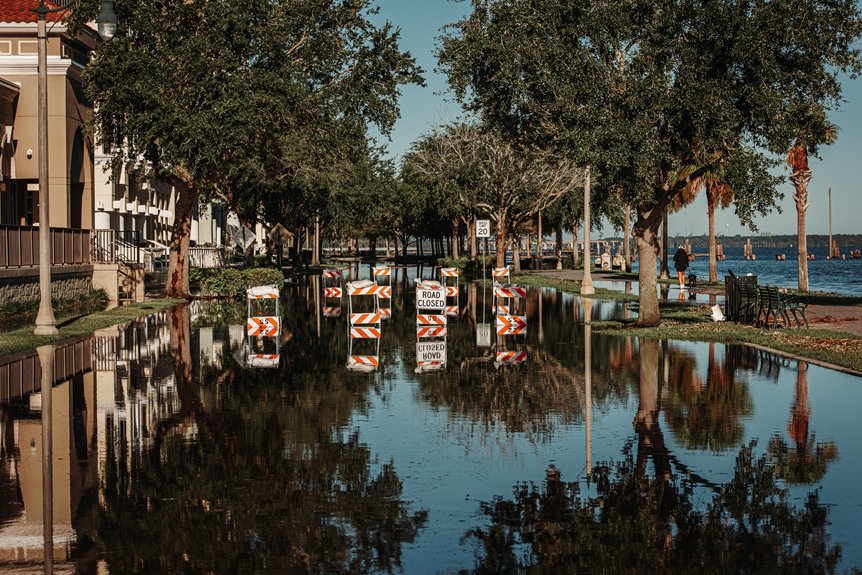

A Flash Flood Warning has been issued for New York City and Long Island amid approaching storms. Anticipated rainfall rates range from 1 to 3 inches per hour, with some areas possibly receiving over 4 inches in total. Officials are urging residents to prepare evacuation plans and avoid unnecessary travel. As emergency operations activate, the impact of these storms raises concerns about safety and disruptions. What measures are being implemented to address the unfolding situation?
Understanding the Flash Flood Warning: What It Means for NYC and Long Island
What does a flash flood warning signify for residents of New York City and Long Island? It indicates that rapid flooding is imminent or already occurring, particularly in areas receiving rainfall at rates of 1 to 3 inches per hour. This warning affects over 2.5 million New Yorkers, highlighting the potential for significant flash flooding in densely populated urban areas. Local officials are closely monitoring forecasts, with some regions expecting rainfall totals to surpass 4 inches, posing serious risks to infrastructure such as subways. New Yorkers are urged to stay informed via weather updates and take immediate precautions, including avoiding travel during the storm. The mantra “Turn Around, Don’t Drown” underscores the critical importance of safety in these turbulent conditions. As urban areas like New York City are characterized by significant population concentrations, they face unique challenges during extreme weather events.
Current Weather Conditions: Anticipated Rainfall and Storm Severity
Current weather conditions in NYC and Long Island indicate a significant storm with anticipated rainfall rates reaching up to 3 inches per hour in some areas. Total rain accumulations are expected between 2 and 4 inches, with localized spots potentially exceeding 5 inches. This forecast raises concerns, as the region faces a moderate flash flooding risk, underscoring the need for public vigilance and responsiveness. The state’s diverse geography, including major water bodies, contributes to the potential for rapid flooding in low-lying areas during heavy rain events.
Anticipated Rainfall Totals
As heavy rains loom over NYC and Long Island, forecasts indicate that total rainfall accumulations will range from 2 to 4 inches, with some localized areas potentially receiving up to 5 inches. The expected rainfall rates could accelerate to between 1 to 2 inches per hour, with certain regions surpassing 3 inches per hour during peak storm conditions. This significant rainfall potential has elevated the risk of flash flooding to a moderate level, with a 70% chance of occurrence in the impacted areas. Residents are urged to prepare for rapid flooding, particularly in areas known to be prone to such events. Current weather instability further necessitates vigilance and readiness for any emergency response related to these anticipated rainfall impacts.
Storm Severity Overview
Heavy rainfall continues to impact New York City and Long Island, with reports indicating that some areas may experience total accumulations exceeding 4 inches. The National Weather Service has issued a flash flood warning, predicting heavy rain rates that could soar above 3 inches per hour. Expected rainfall totals across the region range from 2 to 4 inches, with localized areas potentially receiving up to 5 inches. As a result, the threat of flash flooding is assessed as moderate, with a 70% chance of occurrence. Risks are heightened in low-lying, flood-prone neighborhoods. The slow-moving storm system exacerbates these conditions, threatening urban flooding and significant transportation disruptions as flood waters rapidly rise.
Preparing Residents for Evacuations and Flooding
In response to flash flood warnings, residents are urged to assemble emergency go bags containing essential items and medications. Additionally, planning evacuation routes is vital to guarantee safe movement away from flooded areas. By taking these proactive measures, individuals can enhance their preparedness for potential emergencies. Furthermore, accessing information on health insurance services can provide necessary support during post-disaster recovery.
Emergency Go Bag Essentials
A well-prepared emergency go bag is fundamental for residents facing the potential threat of flooding and evacuation. When flash flood warnings are issued, individuals must assemble bags that include essential items such as essential medications, non-perishable food, water, a flashlight, spare batteries, and important documents. It is critical to cater to the needs of all family members, including pets, making certain that everyone has necessary supplies. The American Red Cross advises that the go bag should be easily accessible and portable, facilitating a quick getaway if circumstances require it. Regularly updating the contents, particularly food and water supplies, is important to maintain preparedness for potential flooding situations and to guarantee the safety and well-being of all household members.
Evacuation Route Planning
Understanding evacuation routes is essential for residents living in flood-prone areas. Familiarity with these designated routes guarantees safe and timely departures during severe flooding conditions. Local authorities urge residents to stay updated with real-time weather alerts and evacuation orders through smartphones or local news sources, allowing for prompt action when necessary. Preparing an emergency go bag with critical supplies, such as medications and important documents, is also imperative. Additionally, communicating evacuation plans with family and neighbors fosters coordination and enhances safety, especially for vulnerable individuals. Practicing evacuation drills helps guarantee that all members of a household are aware of the safest and quickest routes, ultimately increasing the likelihood of a smooth evacuation during emergencies.
Safety Tips for Flood Protection
Safety during a flood requires proactive measures to minimize risks and protect individuals from harm. It is essential to avoid walking, swimming, or driving through floodwaters, as even a small current can be dangerous; the adage “Turn Around, Don’t Drown” serves as a critical reminder. Preparing an emergency go bag containing important items like medications, documents, and a flashlight is also significant in case of power outages. Staying informed of local weather forecasts and emergency alerts helps individuals understand flooding risks and evacuation orders. Checking on vulnerable neighbors, particularly the elderly or those with mobility issues, guarantees community safety. Finally, for those in basement apartments, establishing an evacuation plan in advance can enhance readiness for potential flooding situations. Additionally, property owners should be aware of squatters rights to prevent unauthorized occupation during storm-related evacuations.
Travel Disruptions Due to Severe Weather
As severe thunderstorms sweep through the Northeast, significant travel disruptions have emerged, causing widespread impacts for passengers and commuters alike. Over 1,000 flights have been canceled, particularly affecting major hubs like NYC and Atlanta. The Federal Aviation Administration (FAA) has issued warnings of possible delays, implementing ground stops during peak storm conditions. Additionally, NJ Transit struggles with operational challenges, leading to service delays that inconvenience travelers. The severe thunderstorms have also resulted in tree damage and debris on roadways, complicating commutes further. Motorists are advised to avoid unnecessary travel, as heavy rainfall has contributed to flooding and road closures, posing significant risks. These conditions underscore the urgency for caution amid ongoing severe weather. Emergency Management Services are actively coordinating response efforts to ensure public safety during this storm.
Emergency Response Efforts – What Authorities Are Doing to Address Flooding
In response to the devastating impact of severe flooding across NYC and Long Island, emergency response efforts have been rapidly mobilized to mitigate the ongoing crisis. The State Emergency Operations Center has been activated to coordinate resources and support, ensuring that necessary measures are taken urgently. Approximately 6,300 utility workers are on standby statewide, ready to address power outages and assist with flooding issues alongside local and county agencies. Water rescue teams are stationed in the Mid-Hudson region, prepared for potential incidents. Additionally, the State Police have deployed extra patrols using four-wheel drive vehicles and watercraft to support emergency response operations. The Department of Transportation has over 3,400 personnel available, focused on debris removal and improving road safety amidst the flooding. Moreover, community funding from gaming revenues will help bolster support for local infrastructure improvements as recovery efforts continue.
Flooding-Related Power Outages and Recovery Efforts
Severe thunderstorms across New York City and Long Island have led to significant power outages, with over 82,000 reported statewide. The outages peaked at 115,000, primarily due to storm damage and flooding-related issues. In response, more than 6,300 utility workers are actively engaged in restoration efforts. These crews are collaborating with local and county agencies to expedite the restoration of power and address flooding concerns. The Department of Transportation has joined forces with utility companies for debris removal, while first responders remain on alert for potential water rescues. Community safety is a priority, as agencies carefully monitor utility work and adjust staffing to focus on heavily impacted areas, ensuring prompt recovery efforts continue through the storm’s aftermath. As the storm impacts the region, many residents may need to explore safe indoor activities while utilities are restored.
Air Quality Concerns: Thunderstorms and Local Conditions
How have recent thunderstorms affected air quality in the New York City area? The recent thunderstorms have provided temporary relief by reducing the effects of smoke from Canadian wildfires, improving overall air quality. However, monitoring continues, especially for sensitive individuals, as particulate matter remains a significant concern despite the storms. Measurements taken every 10 minutes at the World Cup field reflect this ongoing vigilance in ensuring safe conditions for attendees. Caution is still advised for those affected by airborne particulates, as health risks persist. While thunderstorms have diminished the harsh heat and smoke conditions that previously plagued the region, the air quality may still fluctuate, necessitating awareness and preparedness among the community. Cultural diversity in New York amplifies the need for effective communication regarding air quality alerts, particularly as varied communities may experience different health impacts from air pollution.
Stay Updated: How to Track Weather Changes
To effectively navigate the unpredictable weather changes associated with flash floods, individuals in New York City and Long Island should prioritize staying informed through various resources. Regularly monitoring local weather forecasts is essential to receive timely flash flood warnings and updates. Utilizing mobile applications like the MTA app and TrainTime can provide real-time travel and service notifications during storm conditions. Residents are encouraged to sign up for emergency alerts from local authorities, ensuring they receive immediate notifications about weather changes and safety recommendations. Following social media accounts, such as @ThruwayTraffic, offers live traffic conditions and updates on transportation impacts. Additionally, checking local news channels and dedicated weather websites for continuous coverage can enhance awareness of evolving storm developments. The city’s commitment to strengthening cybersecurity measures ensures that digital platforms remain reliable during emergencies.
Frequently Asked Questions
Why Is NYC Flooding so Much?
New York City experiences frequent flooding due to aging infrastructure unable to handle heavy rainfall, with severe storms producing rates exceeding design capacities. Climate change and urbanization further exacerbate vulnerabilities, increasing the risk of extreme weather events.
Are There Warnings for Flash Floods?
Yes, there are warnings for flash floods issued in affected areas, particularly in response to forecasts of heavy rainfall. Residents are advised to stay informed through local updates and heed any evacuation orders for safety.
How Many Times Has New York Been Flooded?
New York City has faced numerous flooding incidents throughout its history, with significant events documented during heavy rainfall, hurricanes, and nor’easters, signaling a recurring vulnerability exacerbated by infrastructure limitations and changing climate conditions.
What Was the Hurricane That Flooded New York?
The hurricane that flooded New York was a recent severe storm characterized by intense rainfall and hurricane-force winds. This event caused significant flooding, infrastructure damage, and required emergency responses throughout the affected areas.
Conclusion
As intense storms loom over NYC and Long Island, residents are urged to heed the flash flood warnings and take necessary precautions. With significant rainfall expected and a high chance of flooding, preparedness is essential. Authorities are actively working to manage the situation, and communication regarding travel disruption and safety measures remains critical. Staying informed through reliable weather updates will help guarantee community safety as the region braces for severe weather conditions.