

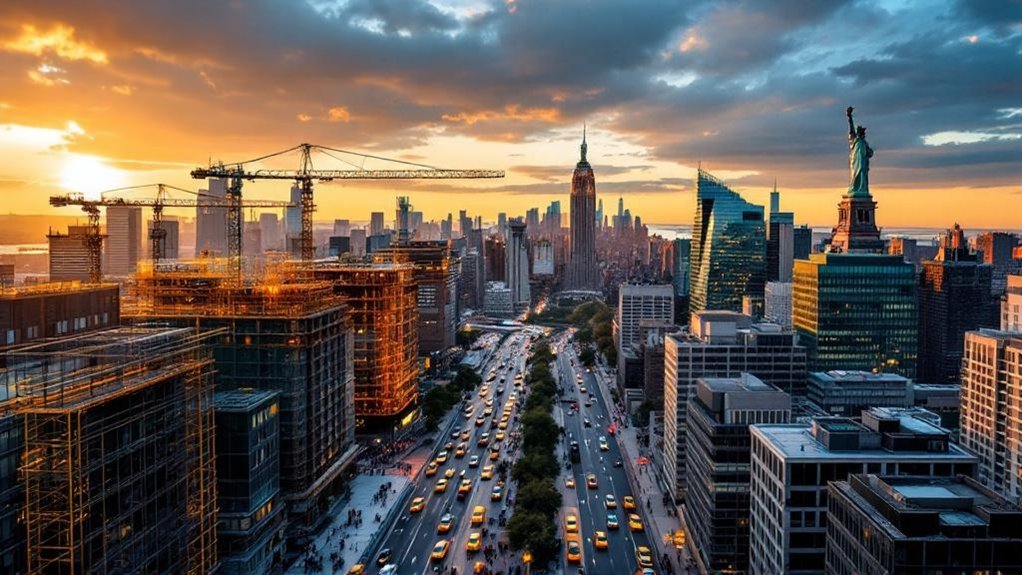

New York’s economy is undergoing significant shifts influenced by technology, consumer preferences, and sustainability. The rise of fintech is altering financial services, while remote work is reshaping employment. Concurrently, investments in green initiatives reflect a commitment to environmental responsibility. As these trends intertwine, they create a complex landscape. What implications might these developments have for the future of New York’s economy?
The Rise of Technology and Innovation
As New York continues to evolve, the rise of technology and innovation has become a defining characteristic of its economic landscape. The city has emerged as a global hub for tech startups and established firms alike, attracting talent from around the world. Investment in research and development has surged, particularly in sectors such as fintech, health tech, and artificial intelligence. This shift has not only diversified the job market but also fostered collaboration between traditional industries and tech pioneers. Major corporations are increasingly establishing innovation labs and incubators, aiming to integrate cutting-edge solutions. In addition, New York’s robust infrastructure and access to capital have facilitated the growth of a vibrant ecosystem that nurtures creativity and entrepreneurship, positioning the city as a leader in the digital economy. This includes the rise of fintech startups, which have become a crucial part of New York’s innovation landscape.
Evolving Consumer Behavior
How have changing values and technological advancements reshaped consumer behavior in New York? In recent years, consumers have increasingly prioritized sustainability and ethical practices, leading to a rise in demand for eco-friendly products and services. The digital transformation has further accelerated this trend, with mobile apps and online platforms facilitating effortless access to a wider variety of sustainable options. Additionally, social media has empowered consumers to voice their preferences, shaping brand reputations and influencing purchasing decisions. The pandemic has also heightened the focus on health and wellness, prompting consumers to seek products that promote well-being. As a result, businesses in New York are adapting their strategies to align with these evolving consumer expectations, ensuring relevance in a dynamic marketplace. Furthermore, New York’s cultural diversity contributes to the richness of sustainable offerings, reflecting the varied values and practices of its multicultural population.
Workforce Dynamics and Remote Work
A significant shift in workforce dynamics has emerged in New York, largely driven by the rise of remote work. This transformation has redefined traditional employment models, allowing companies to tap into a broader talent pool beyond geographical limitations. Many organizations have adopted hybrid work environments, blending in-office and remote schedules to enhance productivity and employee satisfaction. As a result, worker expectations have evolved, emphasizing flexibility and work-life balance. Additionally, the demand for digital skills has surged, prompting a shift in training and development programs. While some industries have embraced these changes wholeheartedly, others face challenges in adapting to this new landscape. Ultimately, the ongoing evolution of workforce dynamics will play an essential role in shaping New York’s economic future. Furthermore, the New York City Economic Development Corporation is actively working to create an inclusive job market that aligns with these new workforce trends.
Sustainability and Green Initiatives
New York has increasingly prioritized sustainability through significant investments in renewable energy and innovative urban development projects. These initiatives aim to reduce the city’s carbon footprint while promoting economic growth. In this way, the integration of green practices into everyday life reflects a broader commitment to environmental stewardship. Additionally, initiatives to increase and enhance green spaces are part of a broader strategy to improve neighborhood livability.
Renewable Energy Investments
Investments in renewable energy have become a cornerstone of New York’s sustainability and green initiatives. The state has prioritized projects in solar, wind, and hydroelectric power to reduce its carbon footprint and promote energy independence. Significantly, New York’s ambitious goal to achieve 70% renewable energy by 2030 has spurred substantial private and public sector investments. Government incentives and subsidies are attracting innovative startups and established companies alike, fostering a competitive landscape. Moreover, partnerships with educational institutions are enhancing research and development in clean technologies. As a result, the renewable energy sector is not only addressing environmental concerns but also driving job creation and economic growth, positioning New York as a leader in the shift to a sustainable energy future.
Sustainable Urban Development
As urban populations continue to grow, sustainable urban development has emerged as an essential focus for New York’s long-term strategy. This approach emphasizes eco-friendly construction, efficient public transportation systems, and the integration of green spaces within urban landscapes. Initiatives include the promotion of energy-efficient buildings and the use of renewable materials to reduce environmental impact. Additionally, the city is investing in sustainable infrastructure, such as green roofs and permeable pavements, to manage stormwater and enhance biodiversity. Community engagement plays a key role, with residents encouraged to participate in planning efforts that prioritize sustainability. These strategies aim not only to combat climate change but also to improve the quality of life for New Yorkers, fostering resilient and vibrant urban communities.
Real Estate Trends and Urban Development
How has the real estate landscape in New York evolved in recent years? The city’s real estate market has experienced significant transformation, driven by shifting demographics and urbanization trends. With an increasing demand for housing, developers are focusing on mixed-use projects that combine residential, commercial, and recreational spaces. This trend reflects a desire for vibrant, walkable neighborhoods. Additionally, the rise of remote work has prompted a reevaluation of office spaces, leading to adaptive reuse of buildings. Environmental sustainability continues to be a priority, with many new developments incorporating green technologies. Moreover, the influx of foreign investment and tech companies has intensified competition, particularly in prime locations. As a result, New York’s real estate landscape remains dynamic, reflecting broader economic trends and societal changes. The focus on community improvement in urban projects mirrors the efforts seen in Cincinnati, where developments align profitability with social impact.
Financial Services Transformation
The financial services sector in New York is undergoing significant transformation driven by digital banking innovations and evolving regulatory frameworks. These changes are reshaping how institutions operate and interact with consumers, emphasizing efficiency and accessibility. Understanding these dynamics is essential for stakeholders traversing the new landscape of finance.
Digital Banking Innovations
While traditional banking methods have served customers for decades, the rise of digital banking innovations is transforming the financial services landscape. These advancements include mobile banking applications, online account management, and artificial intelligence-driven customer service. Digital banking allows users to conduct transactions at any time, enhancing convenience and accessibility. Additionally, innovations such as blockchain technology are improving security and streamlining processes. Fintech companies are emerging as key players, offering specialized services that challenge conventional banks. The integration of data analytics enables personalized financial products, making it easier for consumers to manage their finances. As digital banking continues to evolve, it is reshaping consumer expectations and driving competition within the financial sector, ultimately leading to a more efficient banking experience.
Regulatory Changes Impacting Finance
Numerous regulatory changes are greatly reshaping the financial services landscape, influencing everything from compliance requirements to consumer protection measures. Recent legislative actions have introduced stricter guidelines for transparency and risk management, compelling financial institutions to adapt rapidly. These regulations are designed to enhance accountability and safeguard consumer interests, reflecting a broader trend towards increased oversight. Additionally, the rise of digital banking has prompted regulators to address cybersecurity and data privacy issues, ensuring that new technologies align with established standards. As a result, financial entities must invest in compliance infrastructure and training, which may drive innovation but also elevate operational costs. Ultimately, these regulatory shifts aim to create a more secure and equitable financial environment in New York and beyond.
The Impact of Globalization on Local Economies
As globalization continues to reshape the economic landscape, local economies face both opportunities and challenges. Increased interconnectedness allows local businesses to access international markets, fostering growth and innovation. However, this integration can also lead to heightened competition, placing pressure on small enterprises that struggle to compete with larger, global firms. Additionally, globalization may result in job displacement as industries adapt to global supply chains and outsourcing practices. While some regions benefit from an influx of foreign investment, others may experience economic decline due to the relocation of manufacturing jobs. Ultimately, the impact of globalization on local economies is complex, requiring strategic responses from policymakers to harness its benefits while mitigating adverse effects. Balancing local interests with global influences remains a critical challenge.
Frequently Asked Questions
How Can Startups Thrive in New York’s Competitive Economic Landscape?
Startups can thrive in New York’s competitive economic landscape by leveraging networking opportunities, fostering innovation, accessing diverse funding sources, utilizing local resources, and adapting quickly to market changes while building strong brand identities and customer relationships.
What Role Does Education Play in New York’s Economic Future?
Education considerably influences New York’s economic future by fostering a skilled workforce, driving innovation, and attracting investment. A robust educational system cultivates talent, enhancing productivity and ensuring the state’s competitiveness in a rapidly evolving global economy.
How Do Changing Demographics Affect Economic Growth in New York?
Changing demographics greatly influence economic growth by altering labor markets, consumer preferences, and demand for services. As populations shift, businesses adapt to new markets, impacting innovation and investment, ultimately shaping the region’s economic landscape.
What Are the Challenges Facing Small Businesses in New York?
Small businesses in New York face numerous challenges, including high operational costs, intense competition, regulatory complexities, and limited access to funding. These factors hinder their growth potential and sustainability in a rapidly evolving economic landscape.
How Is New York Addressing Income Inequality Amidst Economic Growth?
New York is implementing policies aimed at reducing income inequality, focusing on affordable housing initiatives, minimum wage increases, and enhanced access to education and job training programs, thereby promoting equitable economic growth across diverse communities.
Conclusion
To sum up, New York’s economic future is being shaped by technological advancements, shifting consumer preferences, and a commitment to sustainability. The integration of fintech, the rise of remote work, and innovative urban development are transforming the city’s landscape. As these trends continue to evolve, they not only enhance the quality of life for residents but also position New York as a leader in adapting to global economic changes, ensuring its growth and resilience in the years to come.