

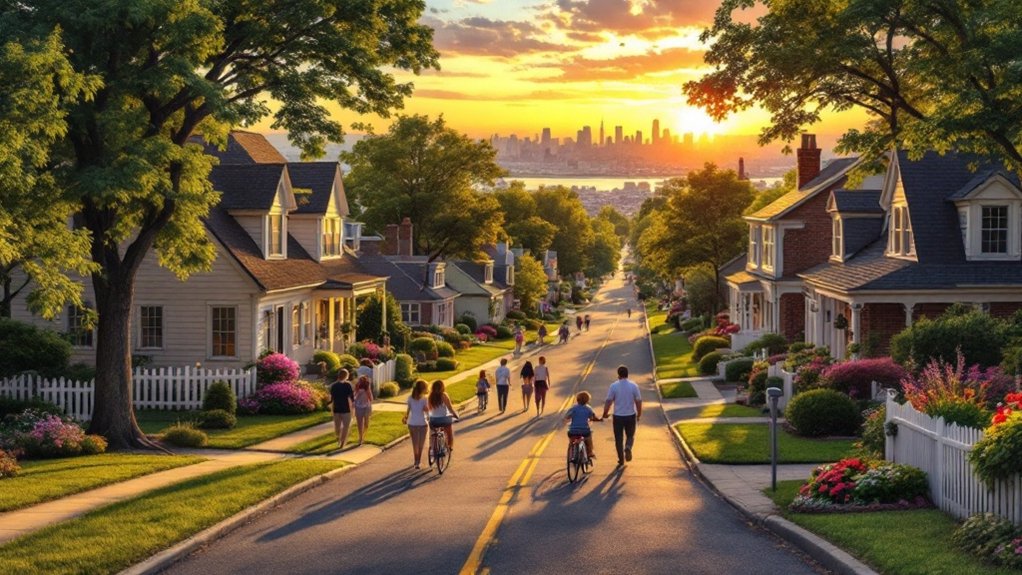

As remote work gains traction, New Yorkers are increasingly drawn to the suburbs, seeking respite from the urban grind. The allure of larger homes, reduced living costs, and a community-focused lifestyle is compelling. Families find solace in suburban areas with spacious environments, reputable schools, and outdoor activities. This shift signals a transformation in living preferences, prompting questions about the future landscape of city and suburban dynamics. What drives this migration, and what does it mean for urban life?
The Rise of Remote Work and Its Impact
As remote work becomes increasingly prevalent, its influence on suburban living in New York is profound. The shift to a digital-first work environment has enabled many professionals to reassess their living arrangements. Freed from the daily commute, individuals and families are exploring the suburbs as viable alternatives to urban life. Suburban areas offer a different lifestyle compared to the bustling city, characterized by a quieter pace and a community-centric atmosphere. The change has led to a reimagining of how people interact with their environment, prioritizing accessibility to amenities and green spaces. This migration trend underscores a transformative period in residential preferences, where proximity to the workplace is no longer a primary concern, reshaping the demographic and cultural landscape of New York suburbs. Moreover, the development of green spaces in these suburban areas plays a crucial role in enhancing the overall quality of life for new residents.
Appeal of More Space and Lower Costs
The allure of more space and lower costs serves as a compelling incentive for individuals and families considering a move to the New York suburbs. In the city, cramped apartments and high rents can strain household budgets. Conversely, suburban areas often offer larger homes with spacious yards at a fraction of urban living expenses. This financial relief allows residents to allocate funds to other priorities, such as savings or leisure activities. Additionally, the suburbs provide the opportunity to own property, a significant draw for those seeking long-term stability. Lower property taxes in many suburban areas further enhance their appeal, creating an attractive proposition for those seeking financial prudence without sacrificing comfort. This blend of affordability and space draws many city dwellers outward, particularly as they look to benefit from housing assistance programs that can ease the transition.
Quality of Life and Family Considerations
In suburban New York, families often find more space to accommodate their growing needs, offering a beneficial environment for children. The proximity to reputable educational institutions further enhances the appeal, providing a solid foundation for academic growth. Additionally, access to parks and recreational facilities supports a healthier lifestyle, contributing to overall well-being. Furthermore, the diverse communities in these suburban areas allow families to connect with various cultural backgrounds, enriching their social experiences.
Space for Growing Families
Expansive suburban landscapes offer a sanctuary for growing families seeking space and comfort. In contrast to the cramped urban environments of New York City, suburban areas provide more room for children to play and explore. Larger homes with multiple bedrooms, expansive yards, and recreational areas cater to the needs of families who require more living space. This abundance of space allows for dedicated playrooms, home offices, and guest accommodations. Additionally, suburban living fosters a sense of community, as families often find themselves part of neighborhoods where children can safely interact and form friendships. The quieter streets and reduced congestion contribute to a more relaxed lifestyle, making suburbia an attractive choice for those prioritizing family life and personal well-being.
Educational Opportunities Nearby
When considering suburban living in New York, families often prioritize access to quality educational opportunities. Suburban areas frequently boast highly-rated public schools, offering a robust curriculum and extracurricular activities. Smaller class sizes are a notable advantage, allowing for more personalized attention and fostering a better learning environment. In addition to public schools, many suburbs provide access to reputable private institutions, broadening the choices available to parents. Additionally, proximity to esteemed colleges and universities can serve as a significant benefit, supporting lifelong learning and enhancing cultural exposure for families. Suburban communities often invest in educational resources, evident in well-equipped libraries and community centers. These factors collectively contribute to a nurturing educational landscape, making suburban living an attractive option for families prioritizing education.
Healthier Lifestyle Options
Beyond educational opportunities, suburban living in New York offers families an environment conducive to a healthier lifestyle. Suburbs typically feature more green spaces, such as parks and trails, encouraging outdoor activities like walking, cycling, and hiking. These activities promote physical well-being and provide a break from the urban hustle. Additionally, suburban areas often have lower pollution levels compared to city centers, contributing to better air quality and overall health. Access to larger grocery stores allows for more diverse and nutritious food choices, supporting healthier diets. Moreover, the slower pace of life in the suburbs can reduce stress levels, enhancing mental health. For families prioritizing quality of life, these factors make suburban living an attractive alternative to city dwelling.
Access to Nature and Outdoor Activities
Suburban areas in New York offer residents easy access to a variety of outdoor activities, thanks to their proximity to scenic hiking trails. These communities are also characterized by abundant green spaces, providing ample opportunities for recreational activities and relaxation. The combination of these natural features enhances the appeal of suburban living for those seeking a balance between urban life and nature. Many suburban residents also enjoy visiting Central Park, which offers a multitude of outdoor activities and beautiful landscapes within the city.
Proximity to Hiking Trails
Amidst the bustling lifestyle of New York, the suburbs offer a revitalizing contrast with their proximity to various hiking trails. These trails provide residents with the opportunity to escape the urban hustle and immerse themselves in nature. Suburban areas, such as Westchester and Rockland counties, are known for their access to renowned hiking locations like Bear Mountain and the Hudson Highlands. The appeal lies in the ease of access to these natural retreats, allowing for spontaneous weekend excursions or leisurely evening walks. This accessibility fosters a balanced lifestyle, offering physical and mental health benefits. For many New Yorkers, the allure of suburban living is greatly enhanced by the prospect of nearby hiking adventures, making it a compelling choice for those seeking nature’s tranquility.
Abundant Green Spaces
In addition to hiking trails, suburban New York is characterized by its abundant green spaces, offering diverse opportunities for outdoor activities and leisure. These areas provide residents with an oasis of tranquility away from urban congestion, featuring parks, gardens, and nature reserves. Families and individuals can engage in activities such as picnicking, birdwatching, and cycling, promoting a healthier lifestyle and fostering a sense of community. Playgrounds and sports fields cater to children and adults alike, encouraging physical activity and social interactions. Moreover, seasonal events and farmers’ markets often take place in these verdant settings, enhancing the local culture and economy. The accessibility to nature not only boosts mental well-being but also offers an appealing alternative to the fast-paced city life.
The Changing Dynamics of Urban Living
As urban landscapes continue to evolve, the dynamics of city living are undergoing significant transformations. Increasingly, city dwellers are encountering challenges such as rising costs of living, overcrowding, and noise pollution. These factors contribute to a growing desire for more spacious and tranquil environments. Furthermore, the pandemic has reshaped work habits, with remote work becoming a staple, reducing the need for proximity to office spaces. This shift enables individuals to prioritize lifestyle preferences over traditional urban conveniences. Additionally, urban areas face infrastructure strain due to population density, affecting public services and quality of life. As a result, some residents seek alternatives that provide a balance between urban amenities and residential comfort, prompting a reevaluation of city living’s appeal. Furthermore, New York State’s commitment to enhancing public services ensures that suburban areas can maintain a high quality of life, making them attractive alternatives for city dwellers.
Real Estate Trends and Opportunities
The evolving dynamics of urban living have sparked a noticeable shift in real estate trends, particularly in suburban areas around New York. As residents seek more space, affordability, and a better quality of life, suburban real estate markets are experiencing increased demand. This demand is driving up property values and encouraging new developments tailored to modern lifestyles. The rise of remote work has further supported this migration, as individuals no longer feel tethered to city offices. Developers are capitalizing on these trends by offering diverse housing options, from single-family homes to townhouses. In addition, infrastructure improvements, including transportation and amenities, are being prioritized to accommodate this growing population. Consequently, suburban real estate presents lucrative opportunities for investors and developers alike, reshaping the housing landscape.
Community and Social Connections in the Suburbs
Although the shift to suburban living has been largely driven by practical considerations, it also offers a unique opportunity for fostering community and social connections. Suburbs often provide a sense of neighborliness that can be elusive in urban environments. Smaller communities enable residents to engage more easily in local events, fostering a sense of belonging. Community centers, parks, and local organizations serve as hubs for social interaction and collective activities. These settings encourage residents to participate in volunteer work, join clubs, and attend community gatherings, facilitating stronger bonds. Additionally, schools in suburban areas often become focal points for social engagement among families, further enhancing community ties. Hence, suburbia offers a distinct environment conducive to building lasting social networks and fostering communal ties.
Future Implications for City and Suburban Areas
What does the future hold for city and suburban areas as they continue to evolve? As urban populations shift towards suburban environments, cities may face challenges in maintaining economic vibrancy and infrastructure investments. The exodus could lead to reduced demand in urban housing markets and altered commercial landscapes. Conversely, suburban regions might experience increased pressures on local resources, requiring expanded infrastructure and services to accommodate growing populations.
Urban planners and policymakers must adapt to these changing dynamics, fostering sustainable growth that balances city appeal with suburban expansion. Technological advancements may bridge gaps, enabling remote work and reducing the necessity for daily commutes. Ultimately, the evolving interplay between city and suburban areas will shape future living standards, environmental impact, and economic development across regions.
Frequently Asked Questions
How Does Suburban Living Affect Daily Commute Times for New Yorkers?
Suburban living often increases New Yorkers’ daily commute times due to longer distances from work. This shift may lead to reliance on personal vehicles or public transportation, potentially extending travel durations compared to urban residency.
What Are the Educational Opportunities Available in Suburban Areas Compared to New York City?
Suburban areas often offer smaller class sizes and a focus on local community schools, contrasting with New York City’s diverse educational landscape, including specialized schools and broader extracurricular opportunities, appealing to different family priorities and preferences.
How Does Suburban Infrastructure Support Remote Work Lifestyle Changes?
Suburban infrastructure generally supports remote work through reliable high-speed internet, ample home office space, and quieter surroundings. Additionally, local co-working spaces and improved transportation options offer flexibility for remote workers seeking balance between home and community.
What Cultural Amenities Might New Yorkers Miss After Moving to the Suburbs?
New Yorkers might miss the vibrant cultural tapestry of the city, including diverse dining options, world-class museums, theater performances, and art galleries. Suburban areas often lack the same density of cultural institutions and entertainment venues.
Are There Environmental Impacts Associated With Increased Suburban Development?
Increased suburban development often leads to habitat loss, higher carbon emissions due to increased car dependency, and greater resource consumption. Expanding infrastructure may strain local ecosystems, affecting biodiversity and contributing to urban sprawl’s environmental footprint.
Conclusion
The shift of New Yorkers to suburban living marks a profound change in residential trends, driven by the rise of remote work. Suburbs offer enticing benefits such as more space, lower costs, and a family-friendly environment with quality schools and parks. The allure of nature and a healthier lifestyle further enhances their appeal. As this migration continues, it reshapes the dynamics between urban and suburban areas, signaling a new era of living preferences and real estate opportunities.