


Modern employees increasingly value convenience, flexibility, and access to quality food and beverages during the workday. For employers looking for practical ways to improve the workplace experience, a micro market can be an attractive alternative to a traditional break room or vending machine.
But what is a micro market, and how does it work? A micro market is essentially a self-service, unattended retail space located inside a workplace. It gives employees access to snacks, drinks, fresh meals, and other convenient products without requiring a staffed store or cafeteria.
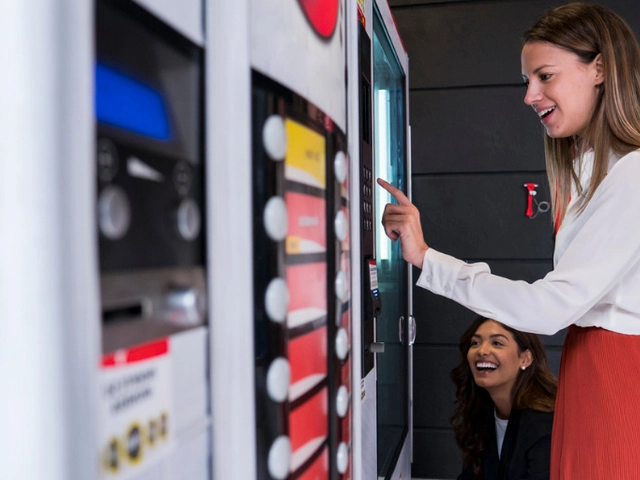
For Birmingham employers, micro markets can provide a convenient amenity while supporting employee satisfaction and creating a more welcoming workplace environment.
What Is a Micro Market?
A micro market is a small, self-service retail area installed inside an office, warehouse, manufacturing facility, hospital, apartment community, or other workplace. Unlike a conventional vending machine, a micro market usually provides open shelving, refrigerated displays, fresh-food coolers, and a self-checkout kiosk or cashless payment system.
Employees can browse the available products, select what they want, and pay electronically. Depending on the provider, payment options may include credit cards, debit cards, mobile payments, or other cashless methods.
The concept combines the convenience of vending with the selection and shopping experience of a small convenience store.
How Does a Workplace Micro Market Work?
A micro market is designed to operate with minimal involvement from the employer. A provider typically installs and manages the equipment, stocks products, monitors inventory, and maintains the market.
Employees enter the designated area, choose their food or beverages, and complete their purchases through the self-checkout system. Some systems may use cameras, sensors, barcode scanning, or other technology to facilitate transactions.
Because the market is unattended, employees can often access it according to the facility’s operating hours rather than waiting for a cafeteria or staffed food-service location to open.
What Products Can a Micro Market Offer?
One of the biggest advantages of a micro market is product variety. Instead of being limited to the relatively small selection available in a vending machine, employees can have access to a broader range of options.
A typical workplace micro market may include:
- Bottled water and other beverages
- Coffee and energy drinks
- Chips, crackers, and packaged snacks
- Candy and other treats
- Fresh sandwiches and wraps
- Salads and healthier meals
- Breakfast items
- Fruit and other nutritious snacks
- Frozen meals or prepared foods
- Convenience items
The exact product selection can be customized according to employee preferences, workplace size, and purchasing patterns.
Benefits of Micro Markets for Employers
1. Improved Employee Convenience
Employees do not always have enough time to leave the workplace for lunch or snacks. A micro market puts food and beverages within easy reach, helping employees save time during breaks.
This convenience can be particularly valuable for large facilities, industrial workplaces, offices located away from restaurants, and businesses with employees working different shifts.
2. Enhanced Workplace Experience
Workplace amenities can contribute to employee satisfaction. Providing convenient access to food and drinks demonstrates that an employer is considering employees’ everyday needs.
A well-designed micro market can also create a more inviting break area where employees can step away from their workstations and recharge.
3. More Food Choices
Traditional vending machines can have limited capacity. Micro markets provide additional space for a wider selection of products, including fresh and healthier options.
Employers can work with operators to adjust the selection based on employee feedback and purchasing trends.
4. Convenient Cashless Payments
Modern micro markets commonly support cashless transactions, making purchases quick and convenient. Employees can use cards or mobile payment methods instead of carrying cash or coins.
This also eliminates some of the limitations associated with traditional vending machines that depend on cash or have fewer payment options.
5. Minimal Management for Employers
A major advantage for employers is that they generally do not need to manage daily inventory or staffing. The micro market provider can handle stocking, maintenance, equipment servicing, and product rotation.
This allows the employer to offer an additional workplace amenity without taking on the responsibilities of operating a cafeteria or convenience store.
6. Supports Different Work Schedules
Not every employee works a traditional nine-to-five schedule. Manufacturing facilities, warehouses, healthcare organizations, and other businesses may have employees working early mornings, evenings, or overnight shifts.
A micro market can provide food and beverages during a wider range of hours, depending on the facility’s access policies.
Micro markets bring a self-serve convenience store to your Birmingham office. Employees can quickly grab a snack, beverage, breakfast item, or meal without leaving the workplace, making everyday breaks easier and more convenient.
Micro Markets vs. Traditional Vending Machines
Although both options provide workplace refreshments, they offer different experiences.
A vending machine generally has a limited number of products stored behind a machine interface. A micro market creates a more traditional shopping environment, allowing employees to see and browse products before purchasing them.
Micro markets can also accommodate a broader product selection, including refrigerated and fresh foods. For larger workplaces, this additional variety can make a micro market a more comprehensive food-service solution.
Are Micro Markets Good for Birmingham Workplaces?
Birmingham businesses can benefit from micro markets when employees value convenient access to food and beverages. They can be suitable for corporate offices, manufacturing facilities, distribution centers, healthcare facilities, educational institutions, and other workplaces.
The right setup depends on factors such as employee population, available space, operating hours, workplace location, and employee purchasing preferences.
Before installing a market, employers should consider how much space is available, what types of products employees want, and whether the provider offers regular restocking and maintenance.
FAQs About Micro Markets
What is a micro market in the workplace?
A workplace micro market is an unattended, self-service retail area that provides employees with snacks, beverages, fresh food, and other products. Employees select their items and pay through a self-checkout system.
How is a micro market different from a vending machine?
A vending machine has products stored inside a machine and generally offers a more limited selection. A micro market uses open shelves and refrigerated displays, creating a small convenience-store-style shopping experience with self-service checkout.
Do employees need cash to use a micro market?
Many micro markets are designed around cashless payments and may accept credit cards, debit cards, mobile wallets, or other electronic payment methods. Available payment options depend on the operator and system.
Who manages a workplace micro market?
The micro market provider typically handles stocking, inventory management, maintenance, equipment servicing, and product rotation. Employers generally provide the space and help establish access policies.
Can employers choose what products are sold?
In many cases, yes. Product selections can often be adjusted based on employee preferences, sales data, dietary needs, and workplace demographics.
Are micro markets suitable for small businesses?
They can be, although suitability depends on employee population, purchasing volume, available space, and the provider’s requirements. Businesses should discuss their workplace needs with a micro market operator before installation.
Conclusion
A micro market is more than an upgraded vending machine. It provides employees with a convenient, self-service shopping experience and can offer a significantly broader selection of snacks, beverages, fresh foods, and meals.
For employers, the benefits can include improved workplace convenience, greater product variety, support for multiple work schedules, cashless purchasing, and reduced day-to-day management responsibilities. For employees, having convenient food and beverages available on-site can make workday breaks easier and more enjoyable.
For Birmingham businesses considering new workplace amenities, a micro market can be a practical way to bring convenience-store-style food service directly into the workplace while creating a better overall employee experience.