


Florida’s warm climate makes swimming pools enjoyable nearly all year, but it also creates unique maintenance challenges. High temperatures, intense sunlight, frequent rain, humidity, and surrounding vegetation can quickly affect water chemistry and pool cleanliness. Without a consistent routine, algae can grow, debris can accumulate, and pool equipment may become strained.
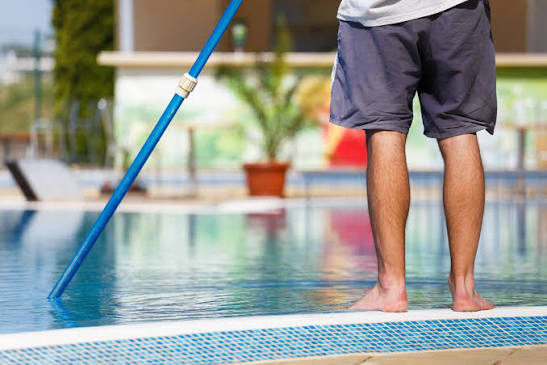
The good news is that maintaining a Florida pool does not have to be complicated. Following a practical weekly, monthly, and seasonal routine can keep your pool clean, balanced, and ready for swimming throughout the year.
Why Florida Pools Need Consistent Maintenance
Florida pools generally require more attention than pools in cooler climates. Warm water encourages algae growth, while heavy rainfall can dilute chlorine and alter pH levels. Leaves, pollen, insects, and other outdoor debris can also enter the pool more frequently.
Regular maintenance helps prevent these problems before they become expensive repairs. It also protects surfaces and equipment while creating a cleaner and more comfortable swimming environment.
Daily Pool Maintenance
A few minutes of attention each day can make weekly maintenance much easier.
Start by checking the pool water visually. Look for leaves, insects, dirt, or other debris floating on the surface. Remove debris with a pool skimmer, especially after storms or periods of heavy wind.
You should also check the water level. Florida’s heat and evaporation can lower water levels, while heavy rain can raise them. Maintaining an appropriate water level helps your filtration system operate properly.
If the pool is used frequently, take note of any changes in water clarity, color, or odor. These can be early signs of chemical imbalance or developing algae.
Weekly Pool Maintenance
Weekly maintenance is the foundation of a good Florida pool care routine.
Test the Water
Test the pool’s pH, chlorine, alkalinity, and other recommended chemical levels at least once a week. Proper water chemistry helps prevent algae, protects pool surfaces, and makes the water more comfortable for swimmers.
Florida’s weather can cause water chemistry to change quickly, so testing after heavy rain is particularly important.
Skim and Brush
Skim the pool surface and remove floating debris. Brush the walls, steps, corners, and other areas where algae or dirt can accumulate.
Pay special attention to shaded areas and spots with limited water circulation.
Vacuum the Pool
Vacuuming removes dirt and debris that settle on the pool floor. Depending on how heavily the pool is used and how much debris enters it, you may need to vacuum weekly or more frequently.
Check the Pool Equipment
Inspect the pump, filter, skimmer baskets, and other equipment. Empty baskets when necessary and watch for unusual noises, leaks, or changes in water circulation.
Monthly Pool Maintenance
Once a month, perform a more thorough inspection of your pool and equipment.
Check the condition of the pool filter and clean it according to the manufacturer’s recommendations. A clogged or dirty filter can reduce circulation and make the pump work harder.
Inspect the pool deck, tile, grout, lights, ladders, and other visible components for signs of damage or buildup.
It is also helpful to review your chemical levels over time. If you are repeatedly adding unusually large amounts of chemicals, the pool may have an underlying water chemistry or equipment issue that needs attention.
A consistent schedule keeps Viera pools clear year-round. Following a reliable pool maintenance schedule can make routine care easier while helping homeowners identify potential problems before they become costly repairs.
Seasonal Pool Maintenance in Florida
Florida does not have the same dramatic seasonal changes as many other states, but seasonal weather still affects pool care.
During the hottest months, monitor chlorine and water levels more closely. Strong sunlight can reduce chlorine effectiveness, while higher temperatures can encourage algae growth.
During Florida’s rainy season, test the water more frequently. Heavy rainfall can introduce contaminants and dilute existing chemicals. Storms can also bring leaves and other debris into the pool.
Before and after major storms, remove debris, inspect the equipment, and test the water. If a hurricane or severe storm is approaching, follow appropriate pool and equipment preparation recommendations.
When to Consider Professional Pool Maintenance
Some homeowners prefer to handle routine cleaning themselves, while others choose professional pool service. Professional maintenance can be especially useful for homeowners with busy schedules or pools that require frequent chemical adjustments.
A professional can inspect equipment, balance chemicals, clean the pool thoroughly, and identify problems that may not be obvious during routine cleaning.
Even if you handle basic maintenance yourself, periodic professional inspections can provide an additional layer of protection for your pool and equipment.
Common Pool Maintenance Mistakes to Avoid
One of the biggest mistakes is waiting until the pool looks dirty before maintaining it. Clear-looking water does not always mean that chemical levels are balanced.
Another common mistake is adding chemicals without testing the water first. Chemical adjustments should be based on actual water conditions rather than guesswork.
Homeowners should also avoid ignoring equipment problems. Strange pump noises, poor circulation, leaks, or unusually cloudy water can indicate issues that should be addressed promptly.
Finally, do not assume heavy rain will clean the pool. Rainwater can introduce contaminants and change the pool’s chemical balance, making post-storm testing particularly important.
FAQs About Florida Pool Maintenance
How often should a Florida pool be cleaned?
Most Florida pools benefit from basic attention several times a week, with chemical testing and more thorough cleaning performed at least weekly. Pools surrounded by trees or used frequently may require additional cleaning.
How often should I test my pool water?
Testing at least once a week is a good starting point. During periods of heavy rain, extreme heat, or frequent pool use, testing more often may be necessary.
Does rain affect pool chemicals?
Yes. Heavy rain can dilute chemicals and introduce contaminants into the water. Testing the pool after significant rainfall helps determine whether chemical adjustments are needed.
How often should I run my pool pump?
The ideal pump schedule depends on factors such as pool size, pump type, filtration system, weather, and usage. A pool professional can help determine an appropriate circulation schedule for your specific system.
Do Florida pools need year-round maintenance?
Yes. Florida’s relatively warm climate means pools generally require maintenance throughout the year rather than being closed for a long winter season.
Can I maintain my pool myself?
Yes. Many homeowners can handle routine tasks such as skimming, brushing, vacuuming, testing water, and cleaning baskets. Professional service may be beneficial for equipment inspections, complex chemical issues, or homeowners who prefer full-service maintenance.
Conclusion
A well-maintained pool is easier to enjoy, safer for swimmers, and less likely to develop expensive problems. Florida’s heat, rainfall, and year-round swimming season make consistency especially important.
By following a daily, weekly, monthly, and seasonal routine, homeowners can stay ahead of debris, chemical imbalances, algae, and equipment issues. Whether you handle maintenance yourself or hire a professional, a reliable routine is one of the best ways to keep your Florida pool clean, functional, and ready for swimming throughout the year.