


Owning a pool in Rockledge, Florida is one of the best ways to enjoy the Sunshine State lifestyle. With warm temperatures nearly year-round, backyard pools become the center of relaxation, family gatherings, and weekend fun. But Florida’s heat, humidity, heavy rain, and organic debris can quickly turn a sparkling pool into a costly headache if it’s not properly maintained.
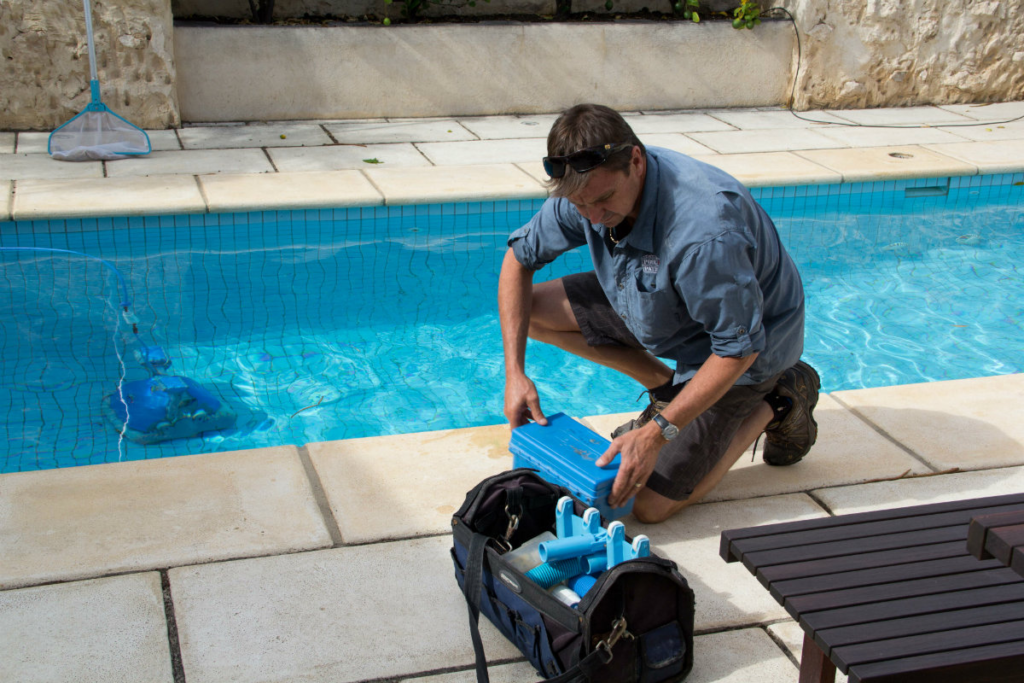
Unfortunately, many homeowners unintentionally make pool maintenance mistakes that lead to cloudy water, algae growth, damaged equipment, and expensive repairs. Understanding what to avoid can help you protect your investment and keep your pool swim-ready all year long.
Below are the top pool maintenance mistakes Rockledge homeowners make—and how to avoid them.
1. Ignoring Regular Water Testing
One of the most common mistakes is failing to test pool water consistently. In Florida’s climate, chemical levels can shift quickly due to:
- Intense sun exposure
- Heavy rainstorms
- High swimmer usage
- Organic debris from trees and landscaping
Without proper testing, pH, chlorine, alkalinity, and stabilizer levels can fall out of balance. This can result in:
- Skin and eye irritation
- Algae growth
- Corrosion of pool surfaces and equipment
- Ineffective sanitization
Solution: Test your pool water at least 2–3 times per week during peak season. After storms or heavy use, test again to ensure levels remain balanced.
2. Overlooking pH and Alkalinity Balance
Many homeowners focus only on chlorine levels, but proper pH and total alkalinity are equally important. If the pH is too high, chlorine becomes less effective. If it’s too low, water becomes corrosive and can damage metal components and pool surfaces.
Ideal ranges:
- pH: 7.4 – 7.6
- Total Alkalinity: 80 – 120 ppm
Failing to maintain these levels can shorten the lifespan of pumps, heaters, and liners.
3. Running the Pool Pump for Too Little Time
To save on energy costs, some homeowners reduce pump run times too much. However, insufficient circulation leads to:
- Poor filtration
- Dead spots where algae can grow
- Uneven chemical distribution
In Rockledge’s warm climate, most pools need 8–12 hours of circulation daily, depending on pool size and usage.
Upgrading to a variable-speed pump can reduce energy costs while maintaining proper circulation.
4. Neglecting Filter Maintenance
Your pool filter works hard in Florida’s environment. Sand, cartridge, and DE filters all require routine cleaning and maintenance.
Common mistakes include:
- Not backwashing sand or DE filters regularly
- Failing to clean cartridge filters
- Waiting until water becomes cloudy before servicing the filter
A dirty filter reduces efficiency and strains your pump system.
Tip: Follow manufacturer recommendations for cleaning schedules, and inspect filters monthly during heavy use.
5. Skipping Regular Brushing and Vacuuming
Even with proper chemical balance, algae and debris can cling to pool walls and floors. Many homeowners rely solely on robotic cleaners or automatic vacuums and skip manual brushing.
In Rockledge, pools are especially vulnerable to:
- Pollen
- Leaves
- Mold spores
- Algae blooms after storms
Manual brushing helps prevent buildup in corners and along steps where circulation is weaker.
6. Adding Chemicals Incorrectly
Another frequent mistake is dumping chemicals into the pool without proper measurement or sequencing. This can cause:
- Chemical imbalances
- Surface staining
- Reduced effectiveness
Always:
- Measure chemicals carefully
- Add them one at a time
- Allow proper circulation between treatments
- Never mix chemicals directly together
7. Ignoring Signs of Early Equipment Trouble
Small warning signs often go unnoticed until they become major repairs. These include:
- Unusual pump noises
- Decreased water pressure
- Air bubbles in return lines
- Leaks around equipment pads
Addressing minor issues early can prevent thousands of dollars in repairs later.
8. Failing to Prepare for Florida Storms
Rockledge homeowners know how quickly summer storms can roll in. Heavy rain dilutes chemicals and introduces contaminants. Strong winds add debris that clogs skimmers and filters.
After a storm:
- Remove debris immediately
- Check and rebalance water chemistry
- Empty skimmer baskets
- Inspect equipment for damage
9. Waiting Too Long to Call a Professional
DIY maintenance works for many homeowners, but complex issues like persistent algae, equipment failure, or recurring chemical imbalance often require expert attention.
Avoiding maintenance mistakes keeps Rockledge pools clean and equipment running efficiently. For homeowners who want professional care and long-term protection, investing in reliable pool maintenance Rockledge FL services can prevent costly repairs and ensure consistent water quality year-round.
Frequently Asked Questions (FAQs)
How often should I service my pool in Rockledge, FL?
In Florida’s climate, weekly maintenance is typically recommended. This includes testing water, adjusting chemicals, brushing surfaces, vacuuming, and checking equipment.
Why does my pool turn green so quickly in Florida?
Warm temperatures, humidity, and rain create ideal conditions for algae growth. Inconsistent chlorine levels and poor circulation also contribute to rapid discoloration.
How long should I run my pool pump each day?
Most pools in Rockledge require 8–12 hours of daily circulation. Variable-speed pumps may allow longer run times at lower energy costs.
Can heavy rain affect my pool chemistry?
Yes. Rainwater dilutes chlorine and alters pH and alkalinity levels. After heavy storms, it’s important to test and rebalance your water.
What are signs my pool filter needs cleaning?
- Cloudy water
- Reduced water flow
- Increased pressure gauge readings
- Debris returning to the pool
Regular filter maintenance is critical for clear water.
Is professional pool maintenance worth it?
Professional service ensures proper chemical balance, early detection of equipment issues, and consistent water clarity—often saving money in the long run.
Conclusion
Maintaining a pool in Rockledge comes with unique challenges due to Florida’s heat, humidity, and frequent storms. While routine care may seem straightforward, small maintenance mistakes can quickly lead to cloudy water, algae growth, equipment damage, and expensive repairs.
By staying proactive with water testing, proper circulation, filter care, and storm preparation, homeowners can extend the life of their pool and keep it swim-ready year-round. Whether you handle maintenance yourself or work with a professional service, avoiding these common mistakes will protect your investment and ensure your backyard oasis remains a source of enjoyment not stress.