

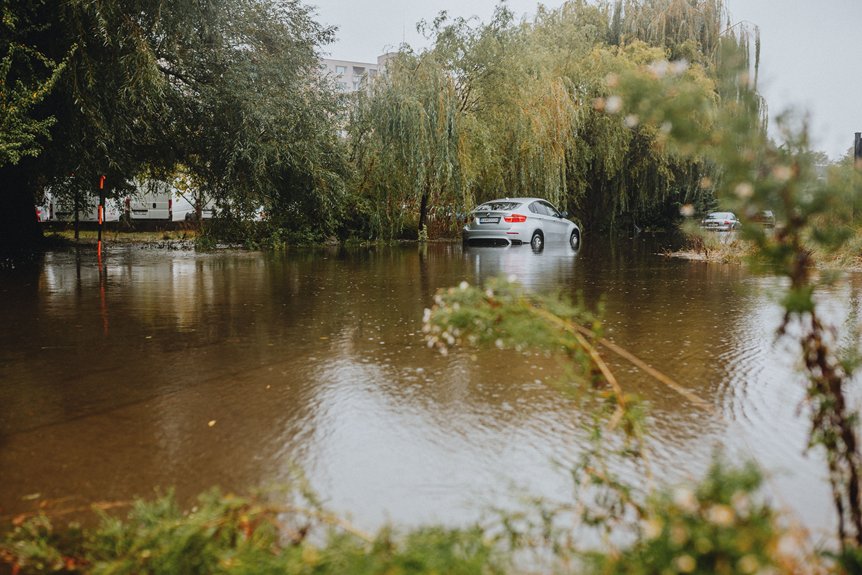

Flash flooding in Brooklyn and Queens has caused extensive damage, particularly on Neptune Avenue, which resembled a river. The heavy rainfall led to over 1,200 power outages, disrupting daily life and transportation. Emergency services spring into action as neighborhoods grapple with the aftermath. Residents are left to ponder the implications of such severe weather patterns. What measures are being taken, and how can communities better prepare for future events?
The Scope of Flash Flooding in Brooklyn and Queens
Flash flooding wreaked havoc in Brooklyn and Queens, leaving neighborhoods inundated and emergency crews scrambling to respond. In Brooklyn, areas like Coney Island and Sheepshead Bay were severely impacted, with Neptune Avenue transformed into a river and significant flooding reported on East 28th Street. The city issued a Flash Flood Watch until 6 a.m. Tuesday, warning residents of the highest risk occurring between 4 and 10 a.m. Monday. Queens, while facing downed trees, experienced comparatively limited flooding. Emergency teams worked to clear debris and restore power, as more than 1,200 residents reported outages due to the storm. The city’s Flash Flood Emergency Plan was activated, mobilizing resources to inspect vulnerable neighborhoods and support displaced individuals in over 50 emergency school locations. The city’s response efforts highlight the importance of cultural diversity, as community members from different backgrounds often come together to assist those affected during emergencies.
Impact of Flash Flooding on Transportation in NYC
The recent flash flooding in New York City has led to significant disruptions in transportation, particularly affecting travel routes in Brooklyn and Queens. Key roadways, including part of the Belt Parkway, became impassable due to standing water, while substitute bus services were implemented to assist stranded commuters. As travel became increasingly hazardous, motorists received advisories to limit unnecessary trips amid ongoing weather challenges. This disruption highlights the importance of public transit systems, which provide essential services during emergencies and help maintain mobility in affected areas.
Transit Service Disruptions
Heavy rainfall inundated sections of Brooklyn and Queens, leading to significant disruptions in transit services throughout New York City. The flooding severely affected peak transit hours, particularly between 4 and 10 a.m. on Monday, stranding many commuters. Substitute bus service was temporarily established between Highbridge and Annandale due to the impact on regular transit operations. Standing water on the Belt Parkway compounded transportation difficulties, resulting in partial highway closures. In response, Mayor Zohran Mamdani activated the city’s Flash Flood Emergency Plan, affecting public transit infrastructure and accessibility. Residents were advised against unnecessary travel during the adverse weather conditions, underscoring the extensive transit service disruptions caused by the flash floods that impacted daily commutes across the boroughs.
Additional Bus Services Implemented
In response to the severe flooding that plagued Brooklyn and Queens, additional bus services were swiftly implemented to assist stranded commuters. The National Weather Service had issued a flood watch until 6 a.m. Tuesday, leading to significant disruptions in transit during peak hours. To address the emergency, the city activated its Flash Flood Emergency Plan, which included substitute bus services running between Highbridge and Annandale. Local streets were shut down due to fallen trees and standing water, further complicating transit routes. Consequently, limited subway service was provided, and buses were rerouted to guarantee passenger safety and manage flooding issues effectively. These measures aimed to alleviate the impact of the flooding and maintain mobility for residents during this unprecedented weather event.
Roads Rendered Impassable
Flooded streets across Brooklyn and Queens transformed once-busy thoroughfares into virtual rivers, severely hindering transportation and accessibility. Neptune Avenue in Coney Island and East 28th Street in Sheepshead Bay faced significant flooding, rendering them impassable for vehicles and disrupting local traffic. The Belt Parkway also had sections closed due to standing water, complicating travel in and out of Brooklyn. Additionally, downed trees obstructed various routes, further diminishing mobility. The heavy rainfall coincided with peak transit hours, leading to a slow morning commute and substantial delays in regular service. In response, substitute bus services were introduced between Highbridge and Annandale, highlighting the widespread disruption to NYC’s transportation network during this severe weather event.
Community Response to Flash Flooding: Cleanup and Emergency Plans
As New Yorkers faced the aftermath of intense rainfall, the city quickly mobilized resources to address the urgent needs of affected communities. Mayor Zohran Mamdani activated New York City’s Flash Flood Emergency Plan, deploying crews to clear catch basins and assess vulnerable areas. Over 50 emergency school locations were established to shelter individuals displaced by flooding, underscoring the city’s commitment to community response. The National Weather Service issued a flood watch, urging caution among residents, especially those in basement apartments. As repairs continued, Con Edison emphasized the significance of energy conservation in southeastern Queens. Cleanup efforts across Brooklyn and Queens focused on removing debris from downed trees and restoring utilities, as community solidarity became essential in the storm’s aftermath. Additionally, residents affected by the flooding may be eligible for temporary assistance to support their recovery efforts during this challenging time.
How Flash Flooding Causes Power Outages in NYC
Flash flooding in New York City poses significant risks to the power grid, disrupting service and creating hazardous conditions. In neighborhoods like Coney Island and Sheepshead Bay, heavy rainfall led to water accumulation that impacted power lines, causing widespread outages. The saturated ground, combined with strong winds, resulted in uprooted trees that damaged power infrastructure, leaving over 1,200 customers without electricity. In Brooklyn, flooding on Neptune Avenue created hazards for power transmission, contributing to service interruptions. Utility crews worked diligently to address outages in areas like Queens and Westchester County, where downed trees and utility poles exacerbated the situation. Con Edison reported that the flash flooding created significant strain on power grids, prompting energy conservation requests during repair efforts. The commission’s oversight and management of gambling activities ensures that emergency response measures are in place to mitigate the impact of extreme weather events on essential services.
Essential Safety Tips for Residents During Severe Weather
Residents are urged to prepare emergency supplies and stay informed about weather alerts during severe weather events. Having the necessary supplies on hand can greatly enhance safety and readiness. Monitoring updates guarantees individuals are aware of changing conditions and can respond promptly to any emergencies. Additionally, property owners should understand their squatters rights to prevent unauthorized occupancy during such tumultuous times.
Prepare Emergency Supplies
When severe weather threatens, preparation for emergencies becomes essential for safety and survival. Residents are urged to prepare emergency supplies that include non-perishable food, ample water, and necessary medications to endure power outages often caused by severe weather events like flash flooding. Flashlights and extra batteries should be part of this kit, especially since over 1,200 customers faced power outages during recent storms across New York City. A battery-powered radio is important to keep updated on weather alerts when mobile phone services may falter. To protect critical documents, storing them in waterproof containers is imperative, considering the impact of significant flooding in areas like Brooklyn. Additionally, having a plan for relocation to higher ground is essential for those in flood-prone areas.
Monitor Weather Alerts
Staying alert to weather updates is essential for safety during severe weather events. Residents of New York City should prioritize monitoring weather alerts, especially following the National Weather Service’s issuance of a Flash Flood Watch. To remain informed, residents can sign up for emergency text alerts by texting NYCALERT to 692-692. This communication is critical for those living in basement apartments who face higher flooding risks. Additionally, during severe weather, it is advisable to avoid unnecessary travel, ensuring personal safety and alleviating potential traffic disruptions. Residents should promptly report downed trees or utility lines by calling 311 to expedite response efforts. Proactive measures regarding weather alerts can greatly enhance safety during adverse conditions.
What to Expect During Cleanup and Weather Updates?
Cleanup efforts are now underway in Brooklyn and Queens, where crews are diligently clearing debris and restoring power to affected residents. Con Edison is managing power outages affecting over 1,200 customers, with energy conservation measures in effect in southeastern Queens. More than 50 emergency locations have been opened to assist displaced individuals, particularly from vulnerable basement apartments impacted by flooding. Residents are urged to report any damage, such as downed trees or utility lines, by contacting 311. Flash flood watches remain active until 6 a.m. Tuesday, accompanied by the potential for continued heavy rain throughout the day. It is vital for New Yorkers to remain vigilant as cleanup and recovery efforts progress amid ongoing weather challenges. The city’s extensive infrastructure plays a crucial role in managing such weather events and ensuring rapid responses.
Staying Informed About Future Flooding Events
As New Yorkers anticipate future flooding events, it is essential for residents to remain vigilant and informed about potential risks. The National Weather Service has issued a Flash Flood Watch for New York City, emphasizing the need for staying informed during severe weather. Residents are encouraged to sign up for emergency text alerts through NYCALERT by texting NYCALERT to 692-692, ensuring they receive timely updates. Monitoring local news sources is important for safety measures, especially for those living in flood-prone areas. Community engagement is critical, with local authorities reaching out to individuals in vulnerable basement apartments to prepare for possible evacuations. To report any damage caused by flooding, residents should promptly call 311 for assistance with downed trees or utility lines. Additionally, residents should be aware of New York’s major water bodies, which can contribute to flooding and are crucial for understanding local environmental risks.
Frequently Asked Questions
How Many Died in the Flooding of New York on Monday?
No fatalities were reported in the flooding that occurred in New York on Monday. Despite the significant storm damage and power outages, emergency teams continued their restoration efforts without any linked injuries or confirmed deaths.
How Many Times Has New York City Been Flooded?
New York City has experienced numerous flooding events throughout its history, with significant occurrences dating back to the late 19th century. Major floods have resulted from hurricanes, heavy rainstorms, and increased coastal flooding linked to climate change.
What Areas of NYC Were Hit Hardest by Sandy?
Hurricane Sandy severely impacted several areas of New York City, with Coney Island, Sheepshead Bay, Breezy Point, and the financial district in Manhattan suffering extensive flooding, while Staten Island neighborhoods like Tottenville also experienced significant damage.
Which Hurricane Flooded New York City?
Hurricane Sandy flooded New York City in October 2012, causing extensive damage, particularly in coastal areas. The storm’s surge overwhelmed infrastructure, highlighting the city’s vulnerabilities and sparking essential discussions on urban flood preparedness and resilience.
Conclusion
The recent flash flooding in Brooklyn and Queens has underscored the vulnerability of urban infrastructure to severe weather events. As neighborhoods like Coney Island and Sheepshead Bay grapple with the aftermath, emergency services remain active in restoring order and providing assistance. With disruptions to transportation and widespread power outages, it is essential for residents to stay informed and prepared for future challenges. Community resilience will play an important role in managing the impacts of such extreme weather conditions.