


Buying a used car can be a smart way to save money, but it also comes with risks. Unlike a new vehicle, a used car may have hidden mechanical problems, accident damage, or maintenance issues that are not immediately visible. A careful inspection can help you avoid expensive repairs and give you greater confidence in your purchase.
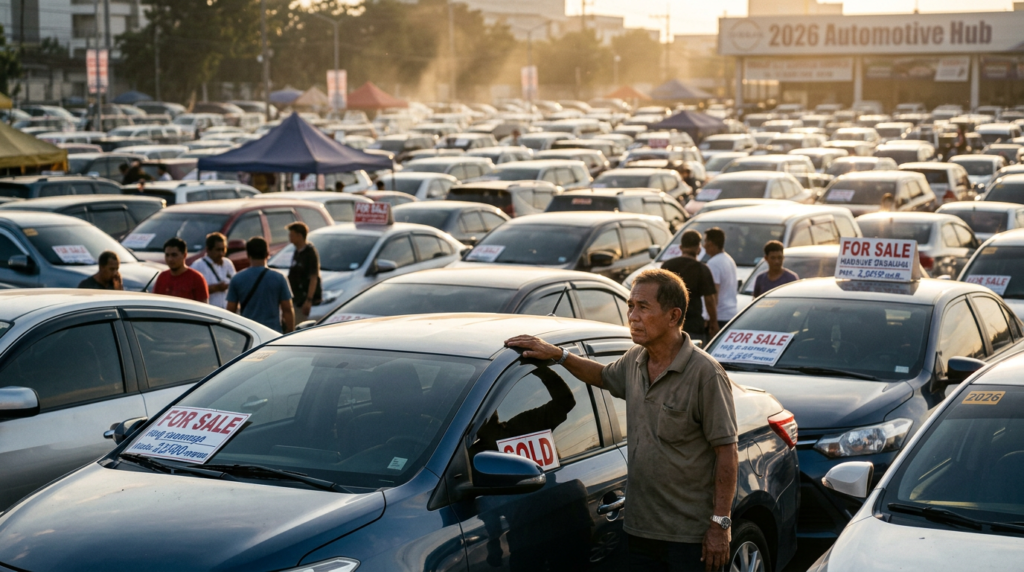
Whether you are buying from a private seller, dealership, or online marketplace, knowing what to inspect before handing over your money is essential.
Why a Used Car Inspection Matters
A used car can look excellent on the outside while having serious problems underneath. Issues involving the engine, transmission, brakes, suspension, or electrical system can cost thousands to repair.
An inspection allows you to identify potential problems before completing the purchase. It can also give you negotiating power if repairs are needed. Even if the vehicle appears well maintained, taking the time to check its condition can prevent unpleasant surprises later.
Used Car Inspection Checklist
1. Check the Exterior
Start by walking around the entire vehicle during daylight. Look closely at the paint, body panels, bumpers, doors, hood, and trunk.
Look for:
- Different shades of paint between panels
- Dents, scratches, or signs of repair
- Uneven gaps between body panels
- Rust, especially around wheel wells and the underside
- Cracked lights or windows
- Damaged mirrors
- Signs of previous accidents
Uneven panel gaps or mismatched paint may indicate that a section of the vehicle has been repaired after an accident.
2. Inspect the Tires and Wheels
Tires can tell you a lot about a vehicle’s condition. Check whether all four tires have relatively even tread wear. Uneven wear may indicate alignment, suspension, or steering problems.
Also inspect the wheels for cracks, bends, or significant damage. Check the spare tire and make sure the necessary tools, such as a jack and lug wrench, are present.
3. Examine the Engine Bay
With the engine turned off, open the hood and inspect the engine compartment.
Look for:
- Oil leaks
- Coolant leaks
- Cracked or damaged hoses
- Corroded battery terminals
- Loose belts
- Excessive dirt or oil buildup
Check the engine oil level and appearance if possible. Extremely dirty oil or evidence of contamination may suggest poor maintenance.
If the seller allows it, inspect the vehicle when the engine is cold. A cold start can reveal problems that may be less noticeable after the engine has warmed up.
4. Listen to the Engine
Start the vehicle and listen carefully. The engine should generally run smoothly without unusual knocking, tapping, grinding, or rattling sounds.
Pay attention to excessive vibration, unusual smells, smoke from the exhaust, or difficulty starting.
Blue smoke can indicate oil consumption, while thick white smoke may indicate a coolant-related problem. Black smoke can suggest an overly rich fuel mixture or another engine issue.
5. Test the Transmission
During the test drive, pay attention to how the transmission shifts.
For an automatic vehicle, shifts should generally be smooth rather than accompanied by hard jolts, slipping, or long delays. For a manual vehicle, check whether the clutch engages smoothly and whether the gears are easy to select.
Transmission repairs can be expensive, so unusual behavior should never be ignored.
6. Test the Brakes and Suspension
During the test drive, test the brakes in a safe area. The vehicle should stop smoothly without excessive vibration, pulling to one side, or unusual noises.
Pay attention to the suspension when driving over bumps. Excessive bouncing, clunking sounds, or a noticeably unstable ride could indicate worn suspension components.
7. Check the Interior
Inspect the seats, dashboard, carpets, door panels, and headliner. Excessive wear can sometimes provide clues about how heavily the vehicle was used.
Make sure the seat belts work properly and check for signs of water damage, such as musty odors, stained carpets, or damp upholstery.
8. Test the Electronics
Turn on as many features as possible, including:
- Headlights and indicators
- Brake lights
- Air conditioning and heater
- Power windows
- Central locking
- Radio and infotainment system
- Backup camera
- Parking sensors
- Windshield wipers
- Dashboard controls
Check that there are no unexplained warning lights on the dashboard after the vehicle starts.
9. Review the Vehicle History
A physical inspection should be combined with a review of the car’s history. Ask for maintenance records, registration documents, and information about previous ownership.
Depending on the country and available records, you may also be able to check whether the vehicle has been reported as stolen, involved in a major accident, or previously declared a total loss.
The vehicle identification number (VIN) should match the documentation and the identification markings on the vehicle.
10. Get a Professional Inspection
Even if you are comfortable checking a vehicle yourself, consider having an independent mechanic inspect it before buying.
A professional can identify problems that are difficult to spot during a basic inspection, including hidden leaks, suspension problems, diagnostic trouble codes, and signs of previous repairs.
Inspections catch problems before you buy. Using a detailed used car inspection checklist can help you systematically review the vehicle instead of relying only on its appearance or a short test drive.
What to Do If You Find Problems
Finding problems does not automatically mean you should walk away. Some issues, such as worn tires or minor cosmetic damage, may be relatively inexpensive to address.
However, major concerns involving the engine, transmission, structural damage, severe rust, or significant electrical problems should be taken seriously.
Ask the seller for repair documentation and obtain estimates for any necessary work. You can then use the estimated repair costs when deciding whether the asking price is reasonable.
If the seller refuses an independent inspection or seems unwilling to provide basic vehicle information, consider it a warning sign.
Frequently Asked Questions
How long should a used car inspection take?
A basic inspection may take 30 minutes to an hour, but a professional inspection can take longer depending on the vehicle and the services included.
Should I inspect a used car before making an offer?
Yes. Inspecting the vehicle before making a final offer can help you identify problems and determine whether the asking price is reasonable.
Is a test drive enough when buying a used car?
No. A test drive is important, but it cannot reveal every problem. Combining a test drive with a visual inspection, vehicle-history check, and professional mechanical inspection provides much better protection.
What is the most important thing to check on a used car?
The engine, transmission, brakes, structural condition, and maintenance history are among the most important areas to evaluate. However, the overall condition of the vehicle should also be considered.
Should I buy a used car that has been in an accident?
It depends on the severity of the accident and the quality of the repairs. Minor damage that was properly repaired may not necessarily be a deal breaker, but significant structural damage can create long-term problems.
Conclusion
Buying a used car does not have to be a gamble. Taking time to inspect the vehicle carefully can help you identify mechanical problems, accident damage, excessive wear, and other warning signs before you commit to the purchase.
Start with the exterior and tires, examine the engine and interior, test the vehicle on the road, review its history, and, whenever possible, have an independent mechanic perform a professional inspection. A thorough approach can save you money, reduce stress, and help ensure that the used vehicle you choose is worth the investment.